FDA's Undeclared Prescription Drug Problem: Two Supplement Categories, One Accelerating Enforcement Pattern
Ten enforcement actions in ten weeks. That is the pace at which FDA has moved against dietary supplements containing undeclared prescription drug ingredients in 2026. Recalls, safety alerts, import holds — the activity spans two distinct product categories, involves a short list of recurring pharmaceutical compounds, and points toward continued escalation.
FDA's undeclared prescription drug problem: two supplement categories, one accelerating enforcement pattern
Ten enforcement actions in ten weeks. That is the pace at which FDA has moved against dietary supplements containing undeclared prescription drug ingredients in 2026. Recalls, safety alerts, import holds: the activity spans two distinct product categories, involves a short list of recurring pharmaceutical compounds, and points toward continued escalation.
If your company makes or distributes supplements in either of these categories, the pattern is worth understanding precisely.
Pattern one: sexual enhancement products and the PDE-5 inhibitor problem
The first category is male sexual enhancement, a segment with a documented and long-running adulteration problem. The specific ingredients are sildenafil, tadalafil, and their structural analogs. Sildenafil is the active ingredient in Viagra. Tadalafil is the active ingredient in Cialis. Both are FDA-approved prescription drugs used to treat erectile dysfunction and certain cardiovascular conditions. Neither is a permissible dietary supplement ingredient.
The products appearing in 2026 enforcement actions include:
- Boner Bears Chocolate Syrup (Lockout Supplements), recalled February 25 for undeclared sildenafil
- Rhino Choco VIP 10X (USA LESS Co.), recalled February 27 for undeclared tadalafil
- Primal Herbs Volume (Primal Supplements Group), recalled February 27 for undeclared sildenafil
- Boner Bear Honey, Red Bull Extreme, Blue Bull Extreme (Pure Vitamins and Natural Supplements, LLC), recalled March 14 for undeclared sildenafil and tadalafil
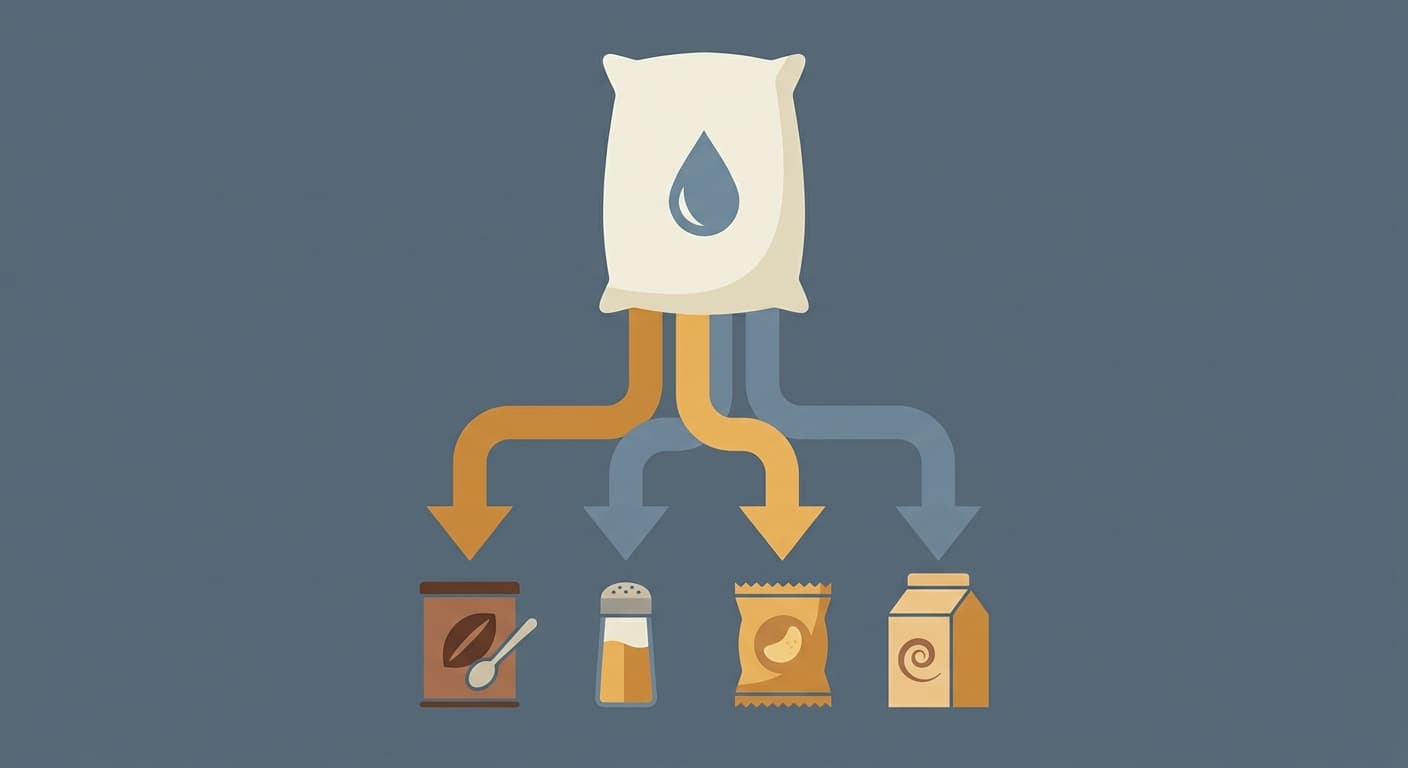
These products were sold in formats ranging from chocolate syrup to honey packets, product forms chosen, deliberately or not, to obscure the fact that they are delivering pharmaceutical-dose active ingredients. All were distributed nationally, primarily through e-commerce channels.
The risk is not theoretical. Sildenafil and tadalafil interact with nitrates found in prescription medications for chest pain and heart failure. That interaction can cause a dangerous and potentially fatal drop in blood pressure. The population most likely to use an "all-natural" sexual enhancement supplement (men over 50 with cardiovascular conditions) overlaps precisely with the population most likely to be taking nitrates. Tadalafil also affects individuals with diabetes, high cholesterol, and hypertension, all of whom may not recognize the risk.
Since January 2025, Policy Canary's database has tracked 28 regulatory items linked to sildenafil and 20 linked to tadalafil across recalls, safety alerts, and enforcement notices. The volume has not declined. The product names and formats change; the active ingredients stay the same.
Pattern two: pain and joint supplements and hidden prescription anti-inflammatories
The second category receives less regulatory media coverage but presents a more complicated clinical risk profile. It involves products marketed for joint pain, arthritis, and inflammation (often to Spanish-speaking consumers) that have been found to contain prescription-strength corticosteroids, NSAIDs, and muscle relaxants.
The clearest current example is the Artri Ajo product line. On March 3, 2026, FDA updated its advisory warning consumers not to use Artri Ajo Rey, after laboratory analysis confirmed the product contains three undeclared pharmaceutical ingredients: dexamethasone, diclofenac, and methocarbamol.
- Dexamethasone is a corticosteroid used to treat inflammatory conditions. At undisclosed doses, it impairs immune function, can cause adrenal suppression with prolonged use, and cannot be stopped abruptly without risk of withdrawal. A consumer taking it unknowingly has no way to taper appropriately.
- Diclofenac is an NSAID that carries cardiovascular and gastrointestinal risks: increased likelihood of heart attack and stroke, and potential for stomach bleeding, ulceration, and fatal perforation.
- Methocarbamol is a prescription muscle relaxant that causes sedation, dizziness, and cognitive impairment. It can impair the ability to drive or operate machinery.
A companion product, Artri Ajo King, contains undeclared diclofenac. FDA has also flagged a broader Artri and Ortiga product family (including Ortiga Mas Ajo Rey Extra Forte, RM Flex, and Advance King) for similar hidden drug ingredients. The FDA has been issuing advisories on this product line since January 2022. Adverse event reports associated with Artri King products include liver toxicity and at least one death.
The products are typically promoted as containing glucosamine, chondroitin, collagen, or garlic, ingredients associated with joint health. They circulate through word-of-mouth networks, particularly in communities where access to prescription care is limited and where a supplement that visibly reduces joint pain feels like a reliable solution. The "natural" framing is part of the product's appeal and part of why users are unaware of the risks.
These products are effective, in the narrow, immediate sense, precisely because they contain real pharmaceutical ingredients. That effectiveness drives repeat purchase and word-of-mouth. It also makes discontinuation dangerous for long-term users who have been unknowingly dependent on corticosteroids.
Why this pattern persists
The supplement industry operates under a pre-market notification framework for most products. Unlike drugs, dietary supplements do not require FDA review or approval before going to market. FDA can act only after a product has been distributed and either triggers adverse event reports or gets flagged through laboratory surveillance.
That gap creates a low barrier to entry for fraudulent manufacturers. The economic logic is straightforward: a supplement that delivers a pharmacological effect gets repeat customers. A competitor with an identical-looking product that contains only its labeled ingredients does not. The fraudulent product drives sales, builds brand loyalty, and circulates for months or years before regulatory action catches up.
When a recall is issued, it is typically voluntary. The firm stops distributing the affected lot. In many cases, the same product (or one with a new name and slightly modified label) reappears within months. FDA has limited capacity to inspect every new product launch in a high-volume, low-barrier market.
What this means for legitimate supplement companies
If you manufacture or distribute products in these categories (male enhancement or joint and pain support) the enforcement activity creates three concrete problems.
Reputation contamination. Consumer trust in an entire product segment erodes after high-profile fraud incidents. Buyers who experienced undisclosed cardiovascular risk from a "natural" energy product become skeptical of the entire natural supplement category. Winning back that trust requires more than clean labeling.
Heightened regulatory scrutiny. FDA prioritizes inspection and surveillance resources toward categories with documented adulteration histories. Operating in male enhancement or joint pain supplements places your products in a category FDA actively screens. A facility inspection in this context will receive closer attention than one in, say, vitamin C.
Supply chain exposure. Contract manufacturers serving multiple brands may source from the same supplier network. If another brand produced by your contract manufacturer is recalled for undeclared pharmaceutical ingredients, the investigation can expand to include any product sharing a facility, supplier, or personnel.
The compliance response
Testing protocols for supplements in flagged categories should include screening for pharmaceutical adulterants, not only confirmation of labeled ingredients. Standard certificate-of-analysis testing does not detect sildenafil, tadalafil, dexamethasone, or diclofenac unless those analytes are specifically included.
Know what else your contract manufacturer produces. If they serve clients in high-risk categories, request documentation of their adulterant screening protocols. A co-manufacturer's compliance failure can become your audit trigger.
Monitor FDA's enforcement output systematically. The 10 enforcement actions in 2026 against undeclared drug ingredients arrived across recalls, safety alerts, and advisory notices, published across different FDA portals, without a single consolidated feed. A company relying on manual review will miss most of it until the news cycle picks it up, typically weeks after the FDA posting.
The enforcement pace in this area shows no signs of declining. The two patterns identified here (PDE-5 inhibitors in enhancement products, and anti-inflammatories and corticosteroids in pain supplements) have been active for years and remain active. What has changed is the frequency of FDA action and the specificity of FDA's public communication about them.
Policy Canary tracks FDA regulatory actions across all product categories in real time, including recalls, safety alerts, warning letters, and import alerts. Search the database at policycanary.io.
Get this in your inbox every Friday.
Free FDA intelligence digest. No account required.